
The federal hemp ban that was set to start on November 12, 2026 has been pushed back by one month. Congress passed a short-term funding bill in early September, and it moved the start date to December 11, 2026. If you buy THCA flower or other hemp-derived THC products online, this delay matters to you. However, it is a short pause, not a fix. In this guide, we explain what the federal hemp ban actually changes, what the delay does and does not do, and what to watch over the next few weeks.
This article is for general information only and is not legal advice. Laws change quickly, so always check the rules in your own state.
What Is the Federal Hemp Ban?
Since the 2018 Farm Bill, hemp has been legal at the federal level as long as it contained no more than 0.3% delta-9 THC by dry weight. Because that rule only looked at delta-9 THC, a large market grew around products like THCA flower. THCA is not intoxicating on its own. Heat, however, converts it into delta-9 THC.
In November 2025, Congress changed that definition inside a government funding bill. The new rules, often called the federal hemp ban, change what counts as legal hemp in three main ways:
- Total THC replaces delta-9 THC. The 0.3% limit now applies to total THC, and that total includes THCA. As a result, most THCA flower would no longer qualify as hemp.
- Synthetic and converted cannabinoids are excluded. Cannabinoids that the plant cannot produce naturally, or that labs make by converting CBD, fall outside the definition. This affects many delta-8 and similar products.
- A strict per-container limit applies. Finished consumer products may contain no more than 0.4 mg of total THC per container. In practice, very few intoxicating products on the market today would meet that limit.
Federal law would treat any product outside the new hemp definition as marijuana or a controlled substance.
Why the Federal Hemp Ban Was Delayed to December 11
The delay came from a continuing resolution, a short-term bill that keeps the federal government funded. The Senate passed the bill in August, and it also rejected an amendment that would have removed the hemp delay. Then, on September 1, 2026, the House passed it by a wide margin and sent it to the President, who signed it.
Because the funding bill only runs until December 11, the hemp delay runs until the same date. In other words, the government funding deadline sets the one-month pause, not a long-term plan for hemp. Supporters said the extra weeks give Congress and farmers time to work on a lasting solution. Meanwhile, some marijuana industry groups and a bipartisan group of state attorneys general opposed any delay.
What the Delay Does and Does Not Do
The delay changes the timing, but it does not change the rules themselves. Here is the short version:
- It does move the start of most new hemp restrictions from November 12 to December 11, 2026.
- It does not change the new total-THC definition or the 0.4 mg per-container limit.
- It does not protect synthetic cannabinoids. Federal authorities can still treat lab-made cannabinoids that the plant does not produce naturally as illegal from November 12.
- It does not create a regulatory framework. For that, Congress would need to pass new legislation.
Also, reports suggest the administration has said there will be no further extensions. Even so, the final outcome depends on what Congress does before December 11.
What the Federal Hemp Ban Means for THCA Flower Buyers
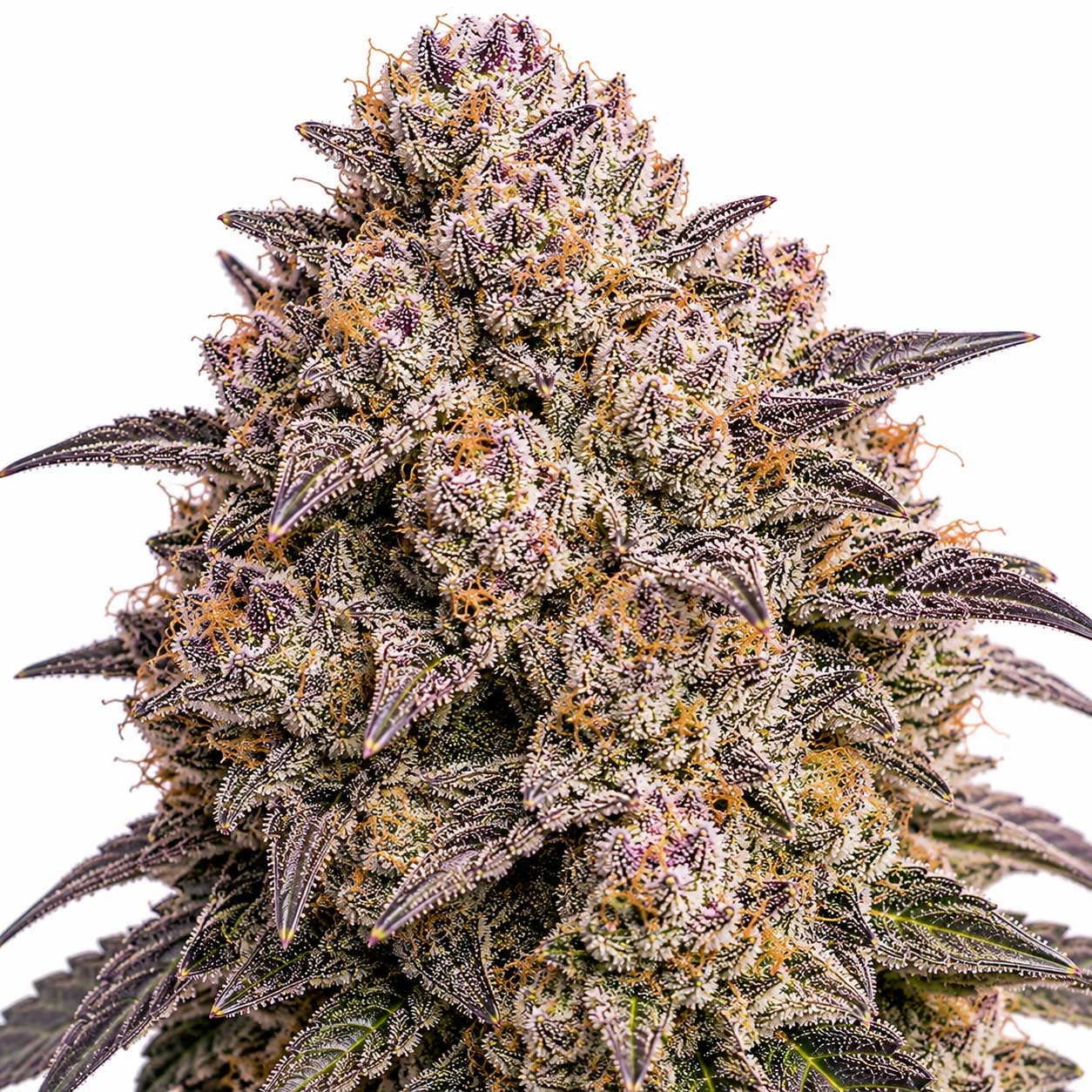
For shoppers, the biggest question is simple: what happens to THCA flower? Under the new total-THC rule, most THCA flower would no longer count as hemp once the federal hemp ban takes effect. That includes popular dessert and candy strains, such as Pink Runtz and Moneybagg Runtz, when sellers offer them as hemp.
Here is what that could mean in practice:
- Availability may change. Some online sellers may stop shipping certain products before the deadline. Others may adjust what they offer.
- State law still matters. Many states already have their own hemp and THC rules, and some are stricter than federal law. For example, New Jersey lawmakers introduced a bill to line up the state’s hemp deadline with the new federal timing.
- Licensed state markets are separate. In states with legal adult-use marijuana, licensed dispensaries operate under state law. The federal hemp ban does not change those state programs.
Because the rules are shifting, it is a good idea to buy from sellers who share third-party lab results and clear cannabinoid information. That way, you know exactly what you are getting.
How This Connects to Marijuana Rescheduling
It is easy to confuse the federal hemp ban with another major 2026 story: marijuana rescheduling. These are two separate changes.
In April 2026, the Justice Department moved state-legal medical marijuana and FDA-approved marijuana drugs to Schedule III. That change mainly affects medical programs, research and taxes. However, it does not legalize recreational marijuana at the federal level, and it does not allow sales across state lines. Separately, the DEA held hearings this summer on whether adult-use marijuana should also move to Schedule III, and a decision is still pending.
So, while marijuana policy is loosening in some areas, hemp policy is tightening. As a result, the legal line between hemp and marijuana is shifting from both directions at once.
What to Watch Before December 11
Over the next few weeks, keep an eye on these developments:
- A new funding deal. Congress must pass another funding bill by December 11, and that bill could extend, change or leave the hemp rules alone.
- Hemp regulation bills. Several proposals would keep hemp products legal with rules such as a 21+ age limit, testing and taxes, instead of a near-total ban. One example is a bill from Rep. Andy Barr, and a Senate version is expected.
- FDA guidance. The FDA is responsible for publishing lists of naturally occurring and intoxicating cannabinoids, along with a definition of a “container.” These details will shape how the rules work in practice.
- Your state’s rules. Some states are updating their own hemp laws to match the federal changes, so check your state’s current position as well.
The Bottom Line
The federal hemp ban has not been cancelled. It has only been delayed by one month, to December 11, 2026. The new total-THC definition and the strict per-container limit remain in place, and synthetic cannabinoids face restrictions from November 12. Until Congress acts, buyers should expect changes in what is available online. Therefore, stay informed, follow your state’s laws and buy only from transparent sellers.
We will keep following this story closely. In the meantime, you can browse our full Runtz strain collection or read our Rainbow Runtz guide to learn more about one of the most popular strains in the Runtz family.
Sources
- Marijuana Moment: House passes bill to delay hemp THC product ban
- Dykema Cannabis Law Blog: Federal hemp ban changes pushed back to December 11, 2026
- Office of Sen. Amy Klobuchar: Hemp ban delay passes Congress
- Scarinci Hollenbeck: Federal hemp ban signed into law
- American Bar Association: Marijuana finally rescheduled after 55 years